Soft Wash vs Pressure Washing a Roof: Which Is Better?
Neither method is universally better — soft washing and pressure washing work differently, and which one suits your roof depends on the roof's material, age, tile condition, existing coatings, the level of moss or lichen present, and the result you're after. This guide explains how the two methods actually differ, so you can have an informed conversation with whoever quotes your roof rather than assuming one method is always right.
For information about our full cleaning service, see roof cleaning Melbourne.
What Is Soft Wash Roof Cleaning?
Soft washing applies a cleaning solution at low pressure — well below the pressure of typical pressure-washing equipment — to treat moss, lichen, algae and organic staining on a roof surface. Rather than relying on water pressure to physically strip material off the roof, it works by treating the biological growth itself, so it releases with far less physical force on the material underneath. For more detail, see our guide to soft wash roof cleaning.
What Is Pressure Roof Cleaning?
Pressure cleaning uses higher water pressure to physically dislodge moss, dirt and grime from a roof surface. It relies on mechanical force rather than a treatment product doing the work, and it can produce a fast, visible change in surface appearance. The trade-off is that higher pressure applied incorrectly, or to a surface that can't tolerate it, is where damage risk comes from.
Not sure which method your roof needs?
The right approach depends on your roof's material, age and condition. A quick assessment is the most reliable way to find out.
Soft Wash vs Pressure Washing: Quick Comparison
| Factor | Soft Washing | Pressure Washing |
|---|---|---|
| Pressure | Low — well below conventional pressure washing | Higher — mechanical force does the work |
| Cleaning mechanism | Chemical treatment of biological growth | Physical/mechanical removal |
| Moss | Treats growth, including in ridge lines and valleys | Can dislodge visible moss quickly |
| Lichen | Can be treated, though lichen bonds tightly and may need time | Often more resistant to pressure alone |
| Visible dirt/dust | Effective, though not always instant | Generally effective and fast |
| Roof material considerations | Suited to a wider range of tile types and coatings when correctly formulated | Needs to be matched to a material that can tolerate direct force |
| Surface condition | Generally lower physical impact on ageing or delicate surfaces | Higher physical impact — condition matters more |
| Immediate visual result | Often gradual over days to weeks | Can be immediate |
| Ongoing treatment effect | Growth may continue to weather away after application | Primarily addresses what is visible at the time of cleaning |
| Risks when used incorrectly | Wrong product or dilution for the surface | Cracked tiles, dislodged ridge capping, or surface or coating damage |
This table is a general guide, not a substitute for an assessment of your specific roof.
When Soft Washing Makes Sense
Soft washing is often a reasonable choice where the roof has biological growth (moss, lichen, algae) that's better treated than physically stripped, where the tile or coating is more delicate, or where a gentler approach suits the roof's age and condition.
When Pressure Cleaning May Be Appropriate
Pressure cleaning can be appropriate where a roof surface is structurally sound and able to tolerate direct force, where the contamination is primarily surface dirt or dust rather than embedded biological growth, or on hard surfaces like driveways and paths rather than roofing. Whether it's appropriate for a specific roof depends on the material and its condition, which is why this isn't a default choice for every job.
Concrete Roof Tiles
Concrete roof tiles can develop moss, lichen and other surface growth, particularly where moisture, shade and debris create favourable conditions, and their surface characteristics can change with age. The appropriate method — soft wash, pressure, or a combination — depends on the individual tile's condition and finish rather than a blanket rule for "concrete tile roofs" as a category.
Terracotta Roof Tiles
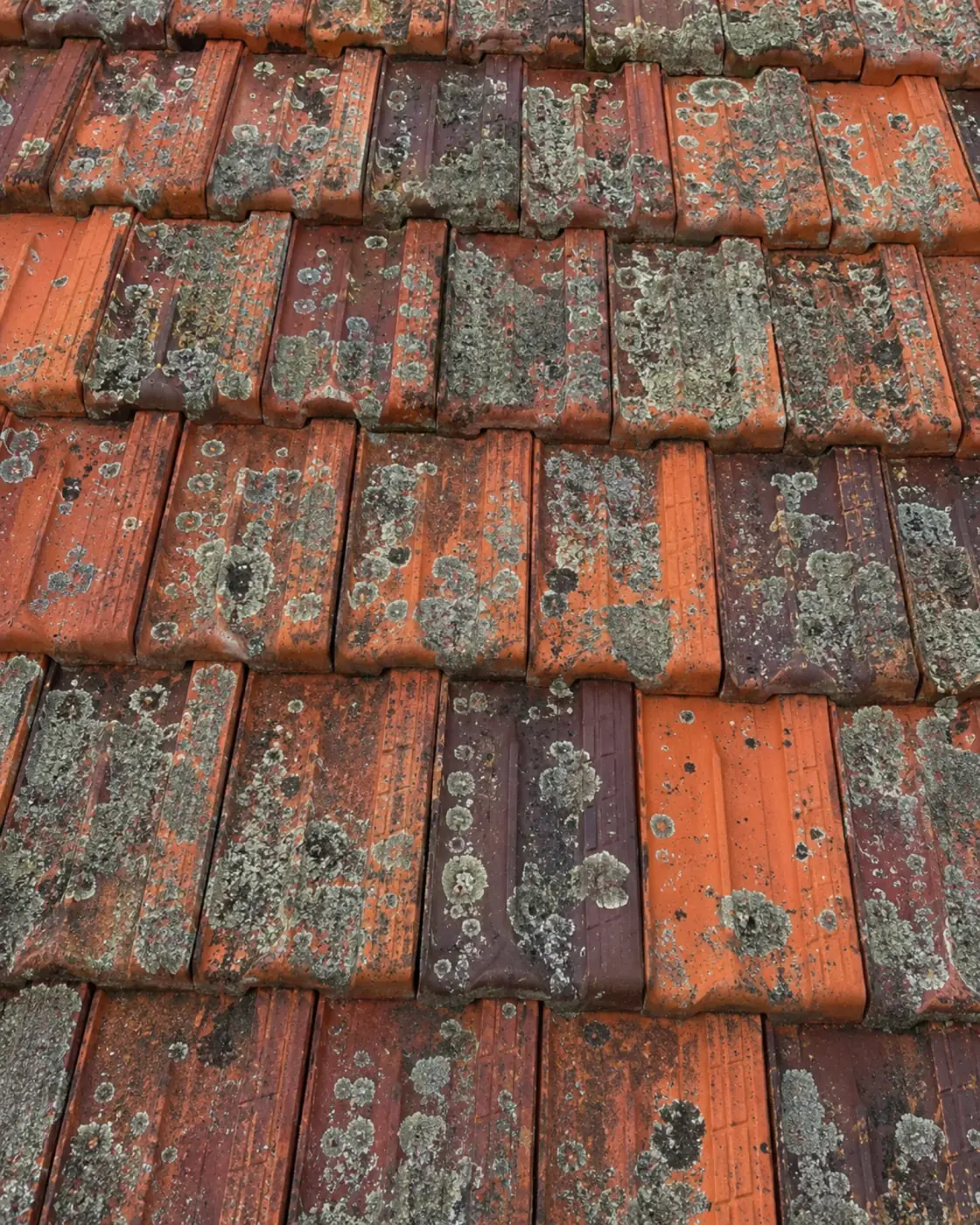
Standard terracotta is common on older Melbourne homes. Whether soft washing, pressure cleaning, or a combination is appropriate depends on the tile's finish, age, condition and the type of growth present. Older or more worn terracotta typically needs closer assessment before deciding on a method.
Glazed Terracotta Tiles
Glazed terracotta has a smoother, coated surface that's different from raw fired-clay terracotta, and the glazing itself is part of what protects the tile. The appropriate cleaning approach needs to be selected and applied with that surface in mind — we don't make blanket claims about outcomes on glazed tile without assessing the specific roof.
Colorbond and Metal Roofs
Coated metal roofing such as Colorbond needs a cleaning method compatible with the existing finish. BlueScope's guidance generally indicates that rain or fresh water is sufficient for exposed roofing, with mild, non-abrasive cleaning recommended where required, and appropriate cleaning agents used where biological growth is present. Colorbond isn't automatically suited to either method — it depends on the coating's condition and what's actually on the roof.
Moss and Lichen: Why Cleaning Method Matters
Moss and lichen can adhere strongly to roof surfaces, particularly in damp or shaded areas. Pressure cleaning can remove visible growth quickly, while treatment-based cleaning may be used to address biological growth without relying solely on mechanical force. The appropriate approach depends on the roof material, surface condition and extent of growth.
Can Pressure Washing Damage Roof Tiles?
It can, if used inappropriately for the tile type or condition. Tile manufacturer guidance touches on this, though it isn't entirely one-sided — Monier's maintenance guidance advises caution around pressure washers, while separate guidance from the same manufacturer notes that moss and lichen may be removed using high-pressure water jet cleaning in some circumstances. The practical takeaway is that the method needs to be matched to the roof and applied correctly by someone experienced, rather than assumed to be safe or unsafe as a blanket rule.
Can Soft Washing Damage a Roof?
When the product and method are appropriate for the roof material and applied correctly, soft washing is intended to clean the surface without relying on aggressive mechanical force. However, no cleaning method is appropriate for every roof — incorrect product choice or application on the wrong surface is where problems can occur, which is why product and method selection is matched to the roof rather than applied as a one-size-fits-all approach.
Should You Pressure Wash an Older Roof?
Age alone doesn't determine whether pressure cleaning is appropriate. Tile condition, existing cracking, coatings, pointing and any prior deterioration all need to be considered first, ideally by someone who can assess the roof in person. This also isn't a job for a homeowner to carry out themselves — roof access carries real safety risk, and pressure-cleaning equipment used incorrectly is exactly what can cause the tile damage described above.
How Roof Solutions Melbourne Chooses a Cleaning Method
We assess the roof material, condition, coating, and the type and extent of contamination before recommending soft washing, pressure cleaning, or a combination of both. The method is matched to what the roof actually needs rather than applied as a standard process for every job.
Cost Differences
Method choice is one of several factors that go into a roof cleaning quote, alongside roof size, pitch, access and contamination level — it isn't typically priced as a separate line item on its own. For a full breakdown of what drives roof cleaning costs, see our roof cleaning cost guide.
Frequently Asked Questions
Request a Roof Assessment
Since the right cleaning method genuinely depends on your roof, the most useful next step is an assessment rather than assuming soft wash or pressure cleaning in advance. We'll look at your roof before recommending a method.