Tile Roof Cleaning Melbourne: What Homeowners Should Know
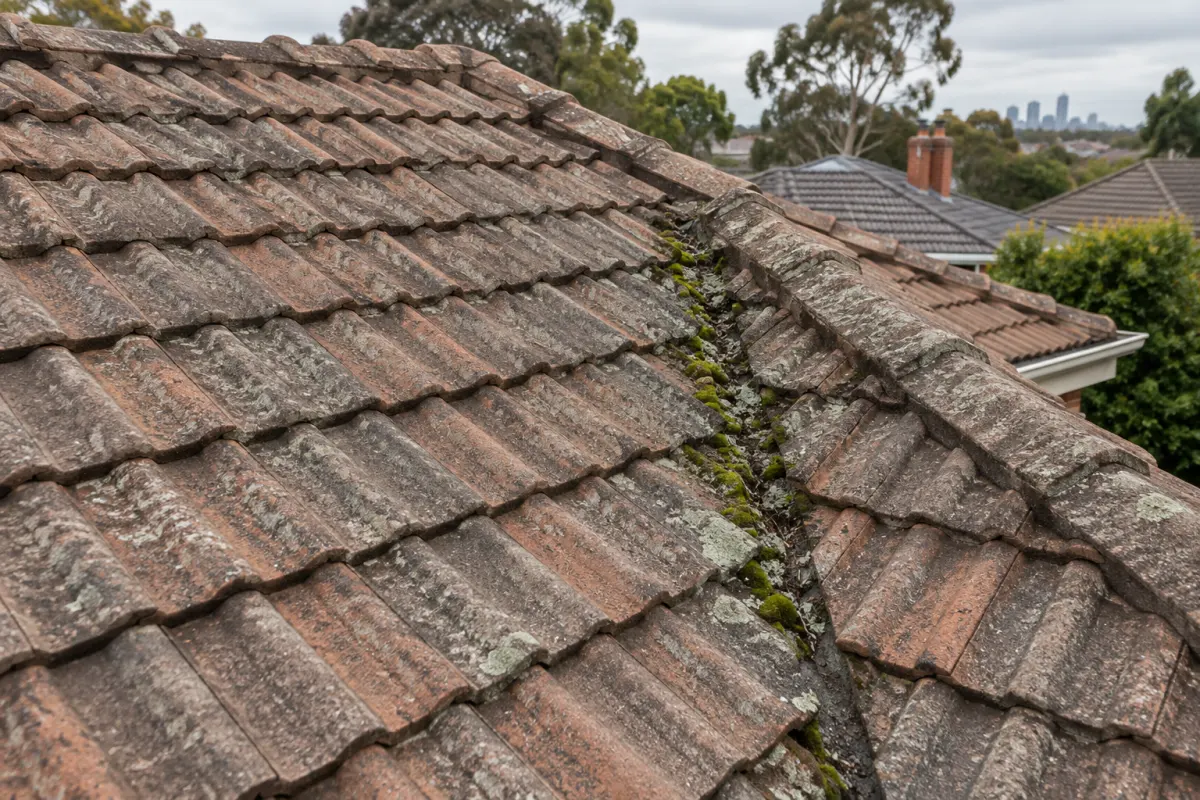
Tile roof cleaning in Melbourne starts with identifying the tile and checking its condition. Concrete, terracotta and glazed tiles do not all have the same finish or maintenance guidance, and a cleaning method that suits one roof may not suit another. This guide explains what to check, what to ask a contractor and when a clean is separate from roof repairs or restoration.
For the broader service and the way we assess a roof before quoting, see roof cleaning in Melbourne.
The short answer
A tiled roof can be professionally cleaned, but first check the tile type, condition and manufacturer’s care advice. Monier recommends professional cleaning and warns against pressure washers for its tiles, and its FAQs say moss or lichen does not affect the durability of its concrete or terracotta tiles. Treat that as Monier’s guidance for its products, and confirm the right approach for the roof you have.
What is tile roof cleaning?
Tile roof cleaning is the removal or treatment of surface dirt, organic growth and loose debris from concrete or terracotta roof tiles. The job may also include clearing roof valleys or gutters, but that should be stated in the quote rather than assumed. Cleaning improves the roof’s appearance and can make visible maintenance issues easier to notice; it does not repair cracked tiles, failed pointing or leaks.
A Melbourne roof may collect moss, lichen, algae, dust and leaf debris, especially where sections are shaded or close to overhanging trees. Their presence alone does not tell you whether a roof needs cleaning or repairs. For example, Monier says moss and lichen can grow on its concrete and terracotta tiles without affecting tile durability. The decision to clean can therefore be about appearance, debris management or a planned maintenance scope, rather than an assumption that every patch of growth is damaging the tiles.
Concrete and terracotta tiles need different consideration
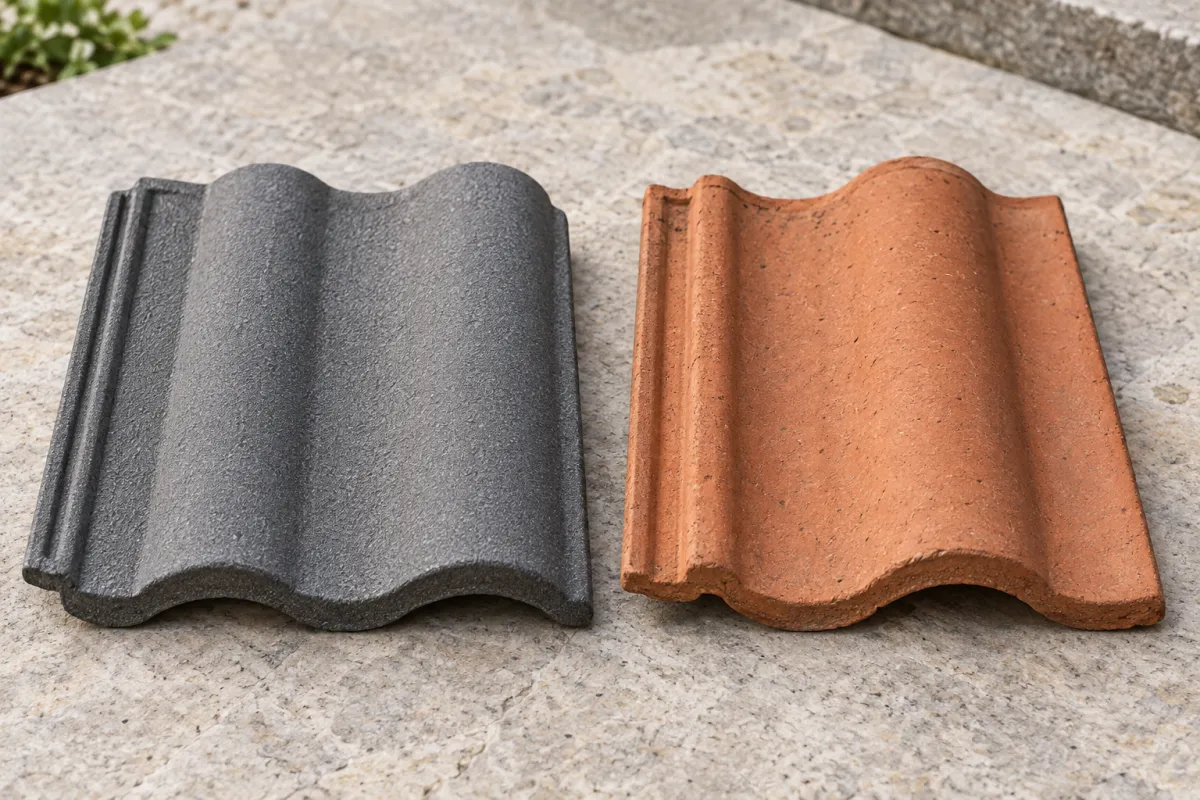
“Tile roof” covers surfaces with different finishes and histories. Concrete tiles commonly have a decorative colour coating that can become more subdued with age and exposure. Monier says this change does not affect the tile’s performance or structural adequacy. Its guidance also says concrete tiles become stronger and less porous over time when manufactured to the relevant Australian Standard.
Terracotta gets its colour through the firing process and Monier says it does not fade in the same way as concrete tile coatings. Glazed terracotta has its own surface finish, so product-specific guidance matters. Do not assume that a cosmetic change means the tile has failed, or that repainting or sealing is automatically required after cleaning.
If the roof is being cleaned as the first stage of a restoration, ask for that full scope to be explained separately. Cleaning, replacing damaged tiles, rebedding ridge caps, repointing and applying a new coating are different tasks. Our guide to roof restoration in Melbourne explains how the work differs.
Choose the method for the tile, not a blanket rule
Roof-cleaning methods can include a low-pressure treatment, rinsing, controlled mechanical cleaning or a combination. The choice depends on the tile product, surface condition, contamination and the manufacturer’s instructions. A method should not be selected simply because it is the contractor’s usual process.
Manufacturer guidance can be specific. For example, Monier advises against pressure washers for its roof tiles because of potential tile damage and recommends engaging a qualified professional. If you have another brand or an older roof with an unknown finish, ask the contractor to identify the product where possible and explain how the proposed method fits its care guidance.
We cover the differences in more detail in our guides to soft-wash roof cleaning and soft washing versus pressure washing. The important point for tile owners is to have the roof assessed before anyone settles on a method.
When is it worth arranging a clean?
There is no calendar interval that suits every tile roof. A shaded roof under overhanging branches may collect organic growth and leaves sooner than a more exposed roof, while the tile’s age and finish also affect what work is appropriate. Rather than booking purely because a certain number of years has passed, look at the roof’s visible condition and have concerns assessed.
A change in appearance can be a reasonable reason to ask about cleaning, especially if the homeowner wants a cleaner finish before selling or completing other exterior work. It is not, by itself, proof of a leak or tile failure. Conversely, a roof can have maintenance issues that are not solved by washing. Broken or slipped tiles, loose ridge caps, failing bedding or pointing and water entering the home should be raised as repair questions, not treated as cleaning problems.
Keep roof cleaning separate from routine gutter care. Monier recommends checking and clearing gutters, downpipes and valleys regularly, at least annually and more often where the home is tree-lined. If leaves are collecting in those areas, ask whether that work is included in the proposed roof-cleaning scope or should be booked separately.
What should you expect during and after cleaning?
The finish and timing depend on the agreed method. Some scopes physically rinse or remove loose surface material during the visit; a treatment-based process can have a slower visible result, as weather gradually changes the appearance of treated growth. Ask the contractor which approach they propose, what you should expect on completion day and whether any follow-up is included. Do not assume every tile-cleaning quote uses the same products or produces the same immediate finish.
Before the job, confirm how nearby garden beds, painted surfaces, windows, solar panels and water tanks will be considered. The contractor should explain any preparation you need to do and any limits on the work. If a tank collects roof runoff, tell them before the quote is finalised so the product choice and runoff management can be discussed together.
At the end, agree what the handover includes. It might be a visual check from safe access points, before-and-after photos, a note of any visible maintenance issues, or confirmation that gutters and the site have been tidied if those were included. A cleaning contractor is not automatically providing a full roof inspection or certifying the roof as watertight, so ask what the notes do and do not cover.
Thinking about a tile roof clean?
We assess the roof material, access, visible condition and build-up before confirming the proposed work and price.
What a proper assessment should cover
Before cleaning begins, the contractor should establish what the roof is made of, what condition it is in and what the job includes. Useful points to cover are:
- Tile and finish: concrete, unglazed terracotta, glazed terracotta or another product, plus any coating or previous restoration work.
- Visible condition: cracked or slipped tiles, worn or missing pointing, damaged areas, skylights and other roof penetrations that affect access.
- Build-up and debris: where moss, lichen, algae or dirt is present, and whether leaves in valleys or gutters are included in the scope.
- Access and safety: roof pitch, storeys, edge access and the equipment or controls needed to carry out the work safely.
- Water collection: whether downpipes feed a rainwater tank and how roof-cleaning runoff will be managed. Tell the contractor before work starts if you collect rainwater.
- Quote boundaries: what cleaning includes, what would count as a repair or restoration, how any extra work is approved, and what photos or notes you will receive.
The Victorian Department of Health notes that roof-collected rainwater can be affected by contaminants including dust, leaves, bird matter and chemicals. If your roof drains to a tank, discuss the cleaning products and runoff plan with the contractor first; do not assume all roof-cleaning products are suitable for every water collection setup.
Why roof cleaning is not a good DIY ladder job
Wet tiles, roof pitch, fragile sections and hidden openings can make roof access hazardous. WorkSafe Victoria warns that falls from or through roofs cause fatal and serious injuries and recommends assessing roof hazards and controlling fall risks. Monier also advises owners not to attempt cleaning its roof tiles because of fall and tile-damage risks. From the ground, you can take photos, note where growth or debris appears and request a professional assessment without walking on the roof.
What affects tile roof cleaning cost in Melbourne?
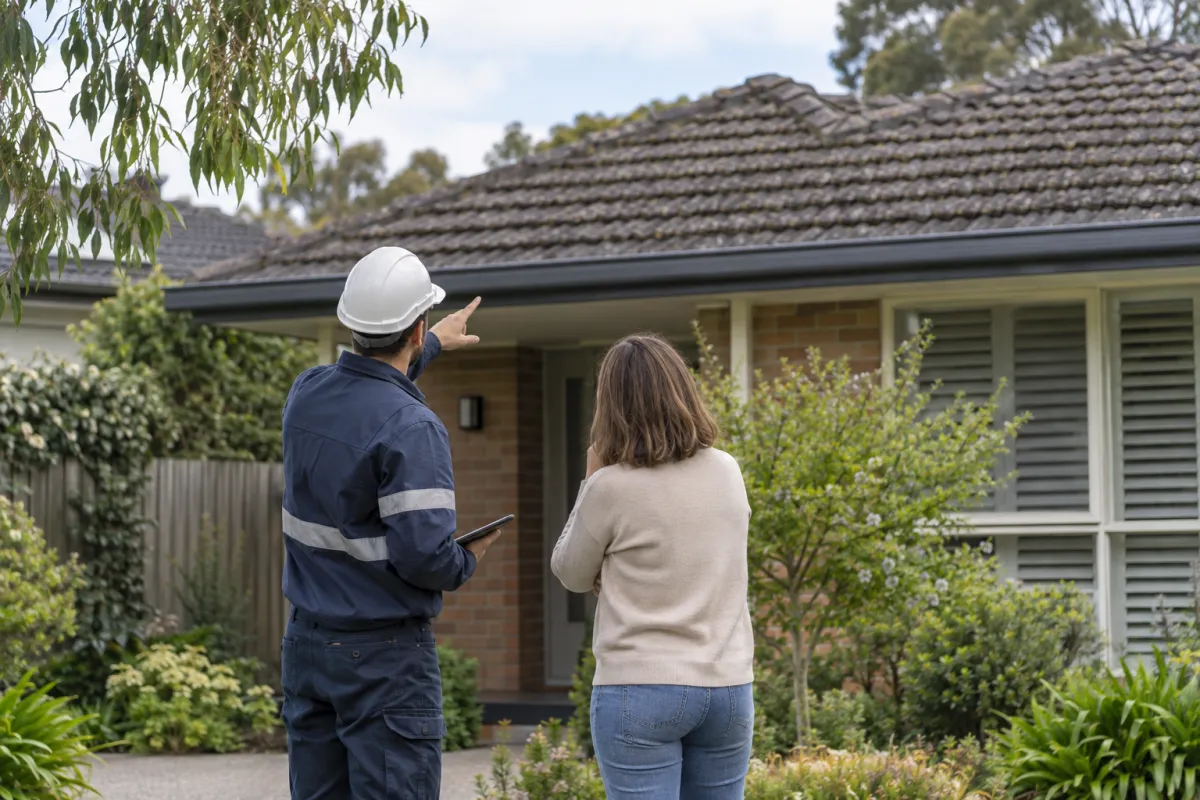
Quotes vary with roof area, pitch, number of storeys, access, tile type and condition, the amount of growth and whether gutters or valleys are included. Two houses with similar floor plans may still need different scopes because their roofs and access are different.
At Roof Solutions Melbourne, many standard residential roof-cleaning quotes for homes up to around 250m² fall between $500 and $1,400. This is an indicative range, not a fixed price for every tiled roof. For the full list of factors and other service prices, read our Melbourne roof cleaning cost guide.
Questions to ask before booking
- How will you confirm the tile type and check its condition?
- What manufacturer guidance applies to the proposed method?
- Are roof valleys and gutters part of this quote, or separate work?
- How will you manage runoff if my downpipes connect to a rainwater tank?
- Will you tell me about visible damage, and get approval before adding repair work?
- What is included in the written quote, and what is not?
A clear answer should connect the proposed work to your roof, rather than promise that one method or product is right for every tile roof.